
In today’s digital landscape, your website is often the first impression potential customers have of your business. With so many options available, it begs the question: should you take on web design yourself or hire a professional? This seemingly simple decision can make or break your online presence.
Whether you’re thinking about launching an e-commerce store, creating a portfolio to showcase your work, or building an informative blog, choosing the right path is crucial. The freedom and creativity of DIY web design may be appealing at first glance; however, hiring expert hands could elevate your site to new heights.
Join us as we dive into this debate—exploring both sides of the coin while unpacking cost considerations, functionality needs, and SEO effectiveness. Your journey toward establishing that perfect online hub starts here!
The Big Decision: Why Choosing the Right Web Design Path Matters
Choosing the right web design path can shape your online presence. Every decision impacts not just aesthetics but functionality and user experience.
With a DIY approach, you might feel empowered as you create something from scratch. But that freedom comes with risks like steep learning curves and potential pitfalls in technical execution.
On the other hand, hiring a professional brings expertise to the table. Skilled designers know how to blend creativity with strategic thinking, ensuring your website stands out while meeting industry standards.
It’s essential to consider your goals—are you looking for a simple blog or an e-commerce powerhouse? Each choice has unique implications for time, budget, and long-term scalability.
Your website is often the first impression customers have of your business. Making this decision carefully can set the tone for future success or missed opportunities down the line.
DIY vs. Professional: A Head-to-Head Comparison

When it comes to web design, the DIY route offers a sense of control. You choose your layout, colour schemes, and content. For those with a creative spark or basic tech skills, this can be an exciting venture.
However, professional designers bring expertise that goes beyond aesthetics. They understand user experience and how to optimize for search engines effectively. Their knowledge can transform a good website into a great one.
With DIY options often limited by templates and features in website builders like Wix or Squarespace, customization may take time to achieve desired results. On the other hand, professionals tailor websites specifically for business needs.
Time is another critical factor. Building your own site can become overwhelming and time-consuming as you navigate challenges alone—while hiring someone allows you to focus on other aspects of your business while they handle the technical details efficiently.
Cost Considerations: Is Cheaper Always Better?
When it comes to web design, the allure of a lower price tag can be tempting. After all, everyone loves a good deal.
However, cheaper options often come with hidden costs. A DIY website might save you money upfront but could lead to issues down the line—think of maintenance headaches or missed SEO opportunities that require professional help later.
On the flip side, hiring an experienced designer generally means investing more initially. Yet this investment can yield higher returns through effective branding and user experience. Professionals bring expertise that saves time and enhances functionality.
Quality matters in web design. Skimping on this crucial aspect may result in a subpar site that fails to engage visitors or convert leads into customers.
Ultimately, weighing immediate savings against potential long-term consequences is key when considering your approach to web design expenditures.
Functionality Face-Off: DIY Limitations vs. Professional Capabilities
When it comes to functionality, DIY web design can feel like building a model airplane with missing parts. While website builders offer templates and basic features, they often fall short in customization.
You may find yourself limited by the tools available. Want an advanced e-commerce solution? That could be tricky. Custom features typically require coding skills that most DIYers lack.
On the other hand, hiring a professional opens up a world of possibilities. They have the expertise to create unique functionalities tailored specifically for your needs.
From advanced SEO integrations to seamless payment gateways, professional designers know how to make your site work harder for you. With their experience, they can implement solutions that enhance user experience and boost conversions—something a DIY approach may struggle to achieve efficiently.
DIY Web Design: Pros, Cons, and the Reality of Building It Yourself
Creating your own website can be a rewarding venture. It gives you complete control over the design and content, allowing for a personal touch that reflects your brand’s identity.
However, DIY web design isn’t without challenges. While templates from platforms like Wix or Squarespace make it simple to get started, they often come with limitations in customization. The result may not fully represent your vision or stand out among competitors.
Time is another critical factor. Learning the ins and outs of web design can consume hours—days even—when you’d rather focus on running your business. Mistakes made during this process could lead to higher costs down the line.
Moreover, understanding SEO is essential for visibility but can be complex if you’re doing it yourself. Balancing aesthetic appeal with functionality requires more than just a basic skill set; it demands expertise and experience as well.
Hiring a Professional: Pros, Cons, and the Value of Expertise
Hiring a professional web designer can elevate your online presence significantly. These experts bring a wealth of experience and technical skills, ensuring that your website not only looks good but functions seamlessly.
However, the cost is often a major factor for many businesses. Professional services come with varying price tags, which may stretch budgets tight for small ventures. It’s essential to weigh this against potential returns.
On the plus side, professionals understand industry standards and best practices in design and usability. They’re adept at creating tailored solutions that reflect your brand identity while optimizing user engagement.
Still, there may be instances where communication gaps arise between you and the designer if expectations aren’t clearly set from the start. This could lead to frustrations or delays in project timelines.
Ultimately, investing in professional expertise can yield sophisticated designs that DIY efforts might struggle to achieve on their own.
Decoding SEO: Why It Matters for Your Website’s Success
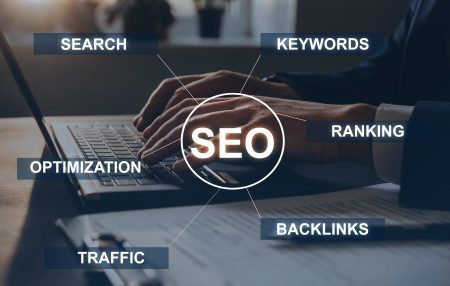
Search Engine Optimization (SEO) is the backbone of your online visibility. Without it, even the most stunning website can go unnoticed in the vast digital ocean.
Think about how often you search for information online. Most users don’t scroll past the first page of results. If your site isn’t optimized, you risk being buried under competitors.
Effective SEO involves using strategic keywords that align with what potential customers are typing into search engines. This isn’t just about traffic; it’s about attracting quality leads who are genuinely interested in your product or service.
Furthermore, good SEO practices enhance user experience. A well-structured site keeps visitors engaged and encourages them to explore further, boosting conversion rates over time.
Investing in SEO means investing in long-term growth for your website’s success. It’s not merely a technical aspect; it’s an essential strategy that shapes how audiences perceive and interact with your brand online.
SEO Showdown: DIY vs. Professional Optimization
When it comes to SEO, the approach you take can make or break your website’s visibility. DIY optimization often relies on free tools and basic knowledge of keywords. While this may seem budget-friendly, the intricacies of effective SEO require more than just surface-level understanding.
On the flip side, professional web designers bring a wealth of experience in optimizing websites for search engines. They understand algorithm nuances and have access to advanced tools that can dramatically enhance your site’s ranking potential.
A DIY strategy might work initially but is often limited by your own skill set. You could miss out on crucial opportunities for backlinks or proper content structuring.
Professionals not only optimize during the build phase but also offer ongoing strategies for maintaining relevance in search results over time. Their expertise translates into measurable outcomes that a novice simply can’t match with trial-and-error methods alone.
Platform Wars: Wix vs. Squarespace vs. WordPress – Which Reigns Supreme?
When it comes to choosing a platform for your website, the battle between Wix, Squarespace, and WordPress is fierce. Each option has its unique strengths that cater to different needs.
Wix stands out with its user-friendly drag-and-drop interface. Perfect for beginners, it allows you to create visually appealing sites without any coding knowledge. Customization options are extensive but may feel limited when scaling up.
Squarespace offers sleek templates that shine in design and aesthetics. Ideal for creatives, it’s great for showcasing portfolios or e-commerce stores. However, some users find the editing tools restrictive compared to Wix’s flexibility.
WordPress is powerful and versatile, making it the go-to choice for many professionals. With thousands of plugins available, functionality can be expanded significantly. But this comes at a cost—there’s a steeper learning curve involved.
Choosing among these platforms really depends on your specific goals and comfort level with web design tasks.
The Price Tag of Professionalism: Understanding Web Design Costs
When considering web design costs, professionalism comes at a price. Quality work often means investing in skilled designers who understand both aesthetics and functionality.
Custom websites can range from a few hundred to several thousand dollars. Factors influencing these costs include the complexity of your site, required features, and the designer’s experience level.
A professional web designer brings expertise that DIY platforms simply can’t match. They ensure your website not only looks good but also functions seamlessly across devices.
Budget is important but remember cheap solutions may lead to hidden expenses later on. A poorly designed site can hurt your brand image and SEO ranking.
Investing in a professional now might save you money down the road by avoiding costly redesigns or maintenance issues. Prioritize quality over cost if you want results that align with your business goals.
Time is Money: Comparing Project Timelines – DIY vs. Professional

When considering web design, time often weighs heavily on decision-making. A DIY project can appear appealing at first glance. However, building a site from scratch can quickly consume hours of research and trial-and-error.
On the other hand, hiring a professional means tapping into expertise that accelerates the process. Designers understand best practices and are familiar with common pitfalls. They’ll have your website up and running in a fraction of the time it might take you.
Project timelines also vary depending on complexity. While simple designs may be manageable for novices, intricate features could overwhelm those without experience. In these cases, professionals streamline workflows to deliver results promptly.
Remember that delays in launching your website can result in missed opportunities—whether it’s attracting customers or establishing an online presence. The calendar is unforgiving when it comes to business growth, making timely delivery essential for success.
When to DIY: Situations Where Building Your Own Website Makes Sense
Building your own website can be a rewarding experience, especially if you have the time and skills. If you’re running a small blog or personal portfolio, DIY might be the way to go. These projects often require less complexity, allowing for greater creative freedom.
Startups with limited budgets may also find DIY appealing. Using platforms like Wix or WordPress offers affordable options without sacrificing quality. You save money while still getting your brand online.
If you’re tech-savvy and enjoy learning new tools, creating your own site can deepen your understanding of web design. Plus, you’ll gain valuable insights into how to maintain it in the future.
Lastly, if you’ve got simple needs—a landing page for an event or basic information about a service—taking on this task yourself makes perfect sense. It’s all about aligning your project scope with what you can manage effectively.
When to Hire a Pro: Situations Where Professional Expertise is Essential
When you’re venturing into e-commerce, hiring a professional can be crucial. A well-designed online store requires intuitive navigation, secure payment gateways, and optimal user experience. These elements can make or break sales.
If your website needs advanced functionality—like custom databases or complex integrations—it’s wise to consult experts. They possess the skills to seamlessly incorporate these features without hiccups.
Branding also plays a significant role in attracting customers. Professionals understand how design impacts perception and can create a cohesive look across all platforms.
Additionally, if SEO is high on your list of priorities, turning to an expert pays off. They know the latest trends and algorithms that will help boost visibility.
Finally, tight deadlines demand precision without sacrificing quality. When time is of the essence, professionals streamline processes efficiently while ensuring top-notch results.
Making the Right Choice: Factors to Consider for Your Specific Needs
When it comes to web design, the path you choose should align with your specific needs and goals. Start by assessing your skill level. If you have a knack for technology and enjoy learning, a DIY website might be an exciting project. There are user-friendly platforms like Wix, Squarespace, and WordPress that cater to beginners.
However, if time is precious or your business demands a polished online presence right away, hiring a professional could save you headaches down the road. Consider the complexity of your site as well—e-commerce sites often require advanced features that professionals can implement seamlessly.
Budget plays a significant role too. While DIY options may seem cheaper at first glance, remember to factor in potential costs for upgrades or troubleshooting later on. Professional web designers not only bring expertise but also offer tailored strategies that align with industry standards.
Evaluate what’s most important: aesthetics? Functionality? SEO performance? Each aspect contributes significantly to how users interact with your site and ultimately impacts conversions.
Taking stock of these factors will guide you toward making an informed decision that’s best suited for your unique situation. Whether it’s opting for hands-on creation or investing in expert help, choosing wisely sets the foundation for future success in the digital realm.